

Information about a piece of news titled Interview with OSTRC interns Sihyeon and Silvia
Interview with OSTRC interns Sihyeon and Silvia
Intoduction
At the Oslo Sports Trauma Research Center (OSTRC), we are happy to have interns be part of our research projects.
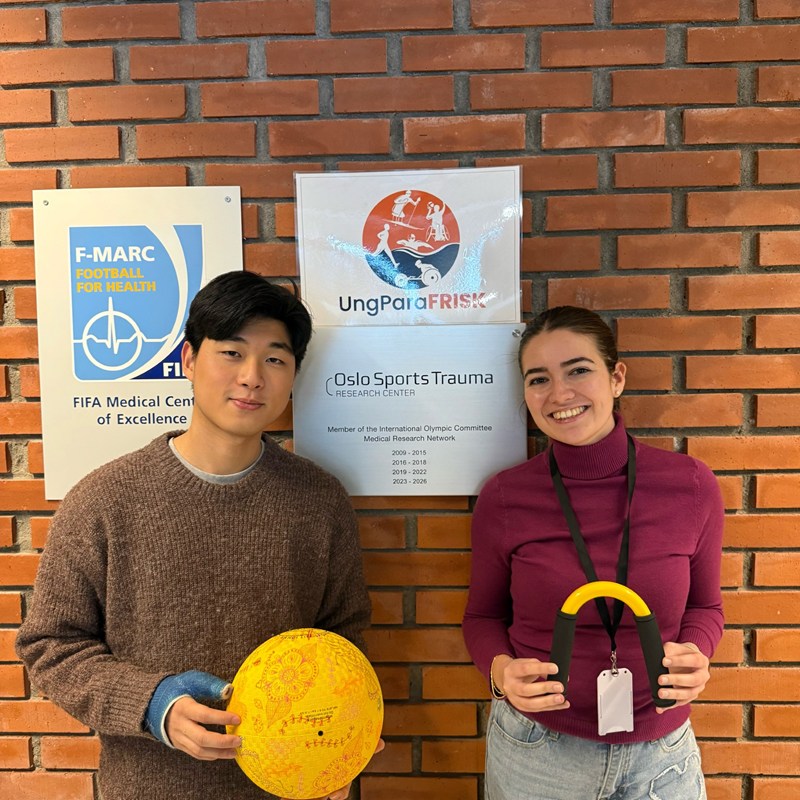
This spring, the OSTRC could welcome two interns, Sihyeon Jung from South-Korea and Silvia Antonicelli from Italy, who came to work with the YoungParaHEALTHY project. They are both taking a masters degree at the University of Oslo and were interns here at the OSTRC for 3 months, 2 days a week. Below is a summary of the interview done with the interns for the University of Oslo`s website. You can read the full artikle here: Internship at Oslo Sports Trauma Research Center - Faculty of Medicine
- What inspired you to pursue an internship at YoungParaHEALTHY?
Silvia: - We were especially interested in the project because of its strong focus on inclusion and social support. We are incredibly glad to be able to contribute to such meaningful research, and hope to have been able to have contributed in as much as we have been able to gain out from the experience.
Silvia also say the project fit well with their Master’s in Health Economics, Policy and Management at UiO: We both viewed it as the perfect opportunity to make use of the different competencies we have gained, especially in statistical analysis, but also to gain practical experience within the health sector.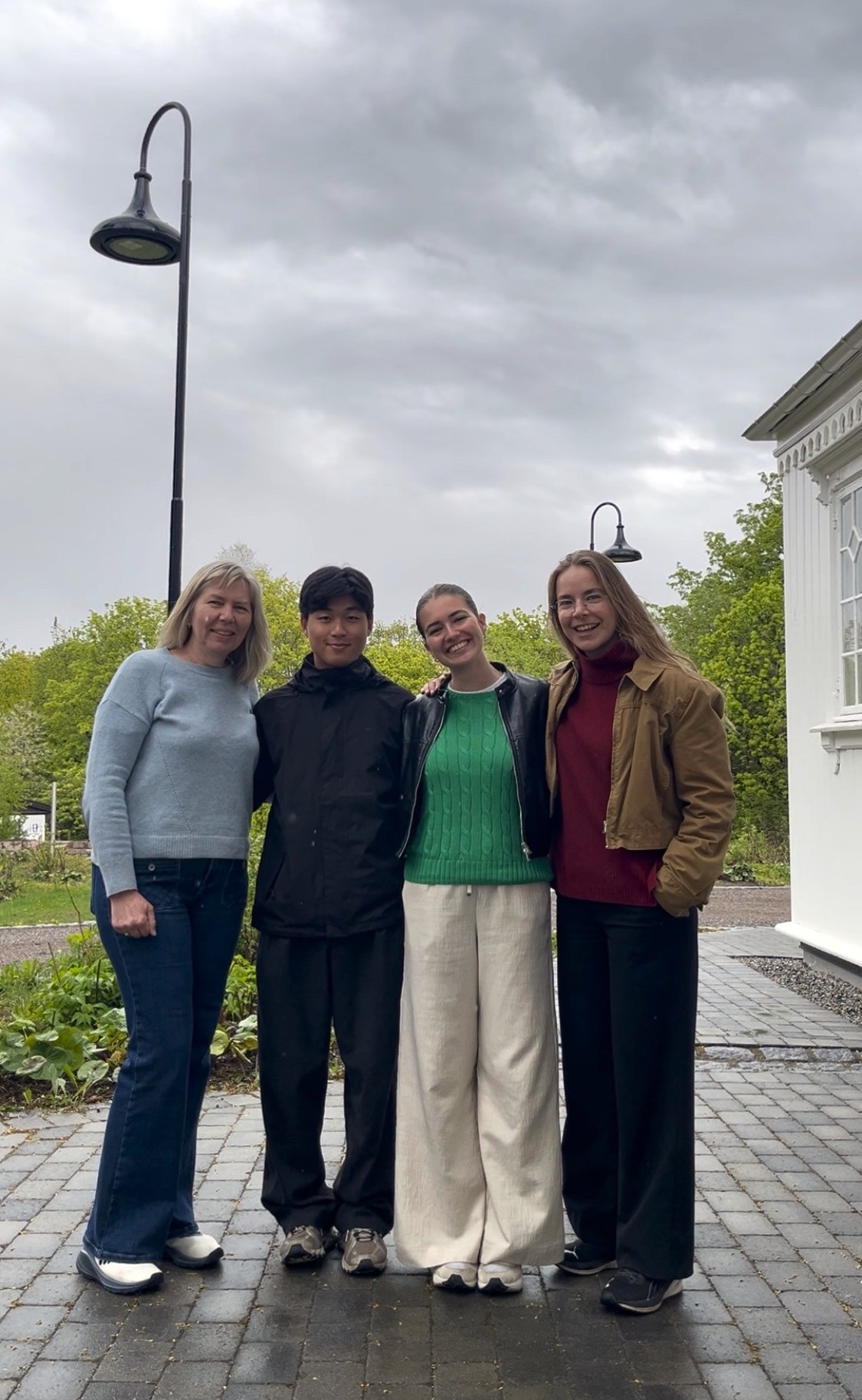
(Project leader Hilde Moseby Berge, interns Sihyeon Jung & Silvia Antonicelli, project coordinator Josefine Horn)
- Can you describe what a typical workday looks like for you?
- A typical workday for us involves collaborating with talented researchers at the Oslo Sports Trauma Research Center located at the Norwegian School of Sport Sciences. We start with a cup of coffee, some office chatter and then off to our offices where we analyze data gathered by a questionnaire from YoungParaHEALTHY regarding the health of para-athletes.
Silvia and Sihyeon explain how they received guidance in the beginning and learned about the importance of para-sports. They acquired skills in the use of new statistical programs and got perspectives on data analysis.
- We are able to work independently now while looking for tendencies in our data and use statistical analysis to create reports in order to present our findings internally and for different organizations. When problems arise, we reach out for collaboration with the statisticians and researchers and further our abilities even more.
- What is the most interesting thing you have learned at OSTRC?
- The OSTRC is in itself an incredibly interesting place, with interesting people doing very interesting work. We have learned a lot, both practically and academically. On the practical side, we have gained new research skills such as the use of powerful statistical tools like JASP for data analysis. We have also been able to improve our ability to write and interpret scientific reports, connecting our findings with existing research within the Norwegian Healthcare system and the various support schemes available.
The interns emphasized that they have deepened their knowledge of the experiences of para-athletes:
- The most meaningful and interesting thing that we have learned is a deeper awareness of inclusion and of the experiences of people with disabilities. During the Paralympics games, we watched the competitions together which really made us reflect on how inspirational their stories are, but it also made us think about how the Paralympics often receive less attention and visibility. That experience highlighted for us how visibility and recognition still need to improve, and how important inclusion is both in sports and society.
Another thing that they have learned at OSTRC is how integrated the center is with so many different institutions:
- Through the resources of the center, we were given the opportunity to collaborate with experts in Norwegian institutions such as NAV, general practice hospitals, and many more. Receiving feedback and suggestions from experts have added invaluable knowledge and perspectives into our findings.
We thank them for being with us these last 3 months, and hope they will look back at their time here as both meaningfull and well learned.
You can read more about the YoungParaHEALTHY project here: YoungParaHEALTHY